Featured

Your Name: A love letter to Japanese Traditions and Beliefs

Watch the video essay at my youtube channel! Please do support and help the channel grow. For more videos like this, please do like share and subscribe! 🙂

Your Name: A Love Letter to Traditions and Belief

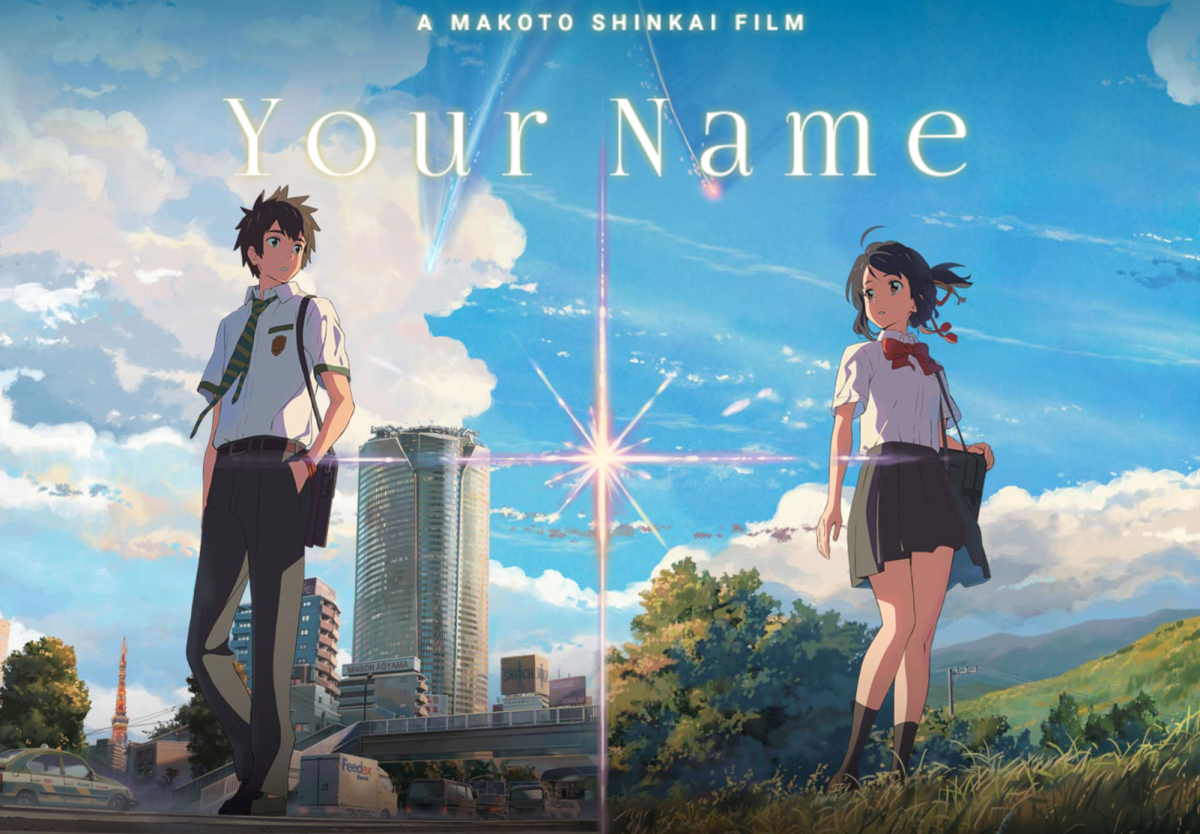
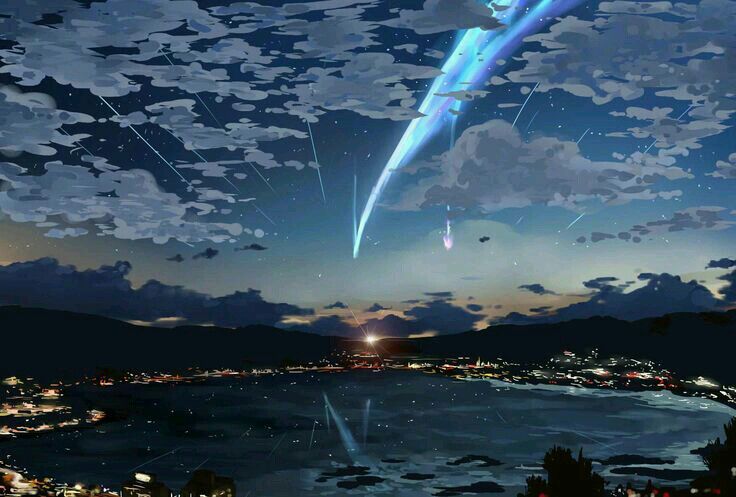
Your Name is a Japanese animated fantasy film written and directed by Makoto Shinkai. The story follows a high school girl named Mitsuha from Itomori (a fictional province in Japan) and Taki, a high school boy from Tokyo who started switching bodies one month before the comet takes full appearance in the horizon.

To fully understand the twist and turns of this film, there are scenes and terms that we need to put into notice. Such terms and scenes were threaded in a way that makes Your Name not just an unconventional love story between two people. It becomes so much more, to the point that it can be seen as metaphor, a love letter by Shinkai to Japanese traditions and belief.

First things first, if you haven’t watched the film, major spoilers ahead.

First, let’s start with the setting. Itomori was formed 1200 years ago (0887) when a meteor fell from the sky.  And ever since then,  Mitsuha’s ancestors have been partaking on a tradition.  This includes knotting of threads and the ritual that involves the creation of the kuchikamisake. 

There’s a scene in the film in which mitsuha’s grandmother said that the meaning behind their tradition is unknown,  but traditions are traditions,  and it’s their way in giving thanks to their ancestors.

But, there is also a certain trait that’s being passed on from one generation of miyamizu to the other.  And that is the ability to dream of someone else’s life.  There are beliefs in Japan that dreams are not owned by the dreamers. 

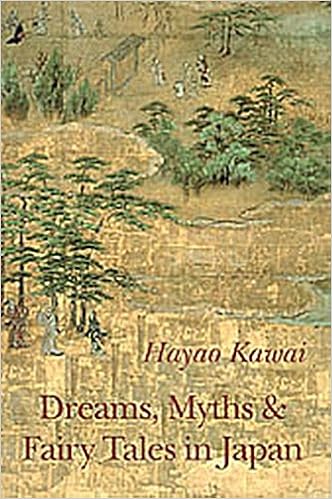
Hayao Kawai, stated on his excerpt entitled as “Dreams, Myths, and Fairy tales in Japan” that we can look as dreams like a butterfly who happens to fly into a garden, that garden being our dreams. He also included in his excerpt the story of Chuang Tzu and the butterfly, where he had a dream that he became a butterfly. This dream upon waking up, lead him to wonder whether the dream is about a human who happened to dream of being a butterfly, or a butterfly who had dreamt of being a human. This raised the question:

“Can it be that my whole life is someone else’s dream?”

It was revealed by the film’s third act that Mitsuha’s grandmother and mother experienced such thing when they were at Mitsuha’s age.  This lead to the big revelation that the very reason as to why they are doing all these traditions is to prepare for the day of the destruction of Itomori by the same comet that formed it 1200 years ago.  This was revealed through a news flash in the film, stating that the comet has an orbital period of 1200 years.

This in turn gives the movie a full circle.  In line with this, Comets have fascinated the eyes of people during ancient times and in turn, this brought a lot of beliefs as to what such phenomenon brings. 

As stated on an article by Eve MacDonald entitled as “How Ancient Cultures explained comets and Meteors”, there are beliefs that the arrival of a comet is sign that something good or bad is about to happen.

And in this case, the comet brought both to the equation.  The bad thing being the end of Itomori, and the good thing on the other hand is the formation and the salvation of the people who live in Itomori.

I mentioned the term full circle, due to a specific reason.  But before that, let’s go to our next topic regarding knotting.

The beliefs that they have with threads and knotting helped in making me conclude that this film is indeed Shinkai’s love letter to Japanese traditions and beliefs.

At the first act of the film, it was revealed by Mitsuhas grandmother that tying threads is called Musubi.  And regarding Musubi, it also pertains to a local guardian god, knotting, taking something in (like drinking and eatong), and most importantly, time itself.

To fully visualize my interpretation of the film, let’s take Mitsuha as a thread,  and Taki being another thread parallel to Mitsuha’s.  And as a future math educator, it is indeed impossible for two parallel lines to intersect.  And this is also is the case with Taki and Mitsuha.  So, how were they able to connect with one another if they are switching places with one another, in different timelines?

There enters another thread that tied them together, this third thread being, the comet itself.

So, how did the comet tied two people of separate timelines together?

By the third act of the film,  Taki decided to go to the body of miyamizu and there he drank Mitsuha’s kuchikamisake, which is dubbed as Half of Mitsuha. I want to appreciate a little detail that I noticed in the film. During Taki’s quest in finding Mitsuha, you can see that he is wearing a half moon tshirt. And once he drank the kuchikamisake, he was able to go back in time and in Mitsuha’s body. It somehow gave me the impression that ever since Taki was unable to connect with Mitsuha, he was incomplete, and Mitsuha makes Taki’s life complete.

Anyway, in turn, he asked for one last chance to return to Mitsuha’s body and save the people of Itomori.  This is the part where the animation of the film further supports my interpretation.  Taki slipped after drinking the kuchikamisake, and just before he fell to the ground, the flash on his phone showed a drawing of a comet splitting into pieces drawn inside the cave.

And this drawing of the comet was masterfully and intentionally animated by shinkai and his crew before a montage of mitsuha’s life started. The comet was flowing, and suddenly it is animated into a thread, and eventually into an umbilical cord. 

This in turn explained that the ancestors of Mitsuha that witnessed the appearance of the comet 1200 years ago also saw the future. This is where the fantasy part of the film kicks in.  This in a way, gave the Miyamizus to pass this “dreaming of someone else’s life” characteristic to a female descendant one generation after another up to Mitsuha. 

This can also be seen as to what traditions are, that they are being done and passed on not for the sake of it, but to also carry on certain traits and knowledge from the ancestors.

The last part that I would like to discuss fully is my favorite scene from this film, the Tasokare/Twilight scene.  It was discussed at the first act of the film during Mitsuha’s class that there are beliefs about twilight as to which someone might encounter something beyond human or understanding during it. 

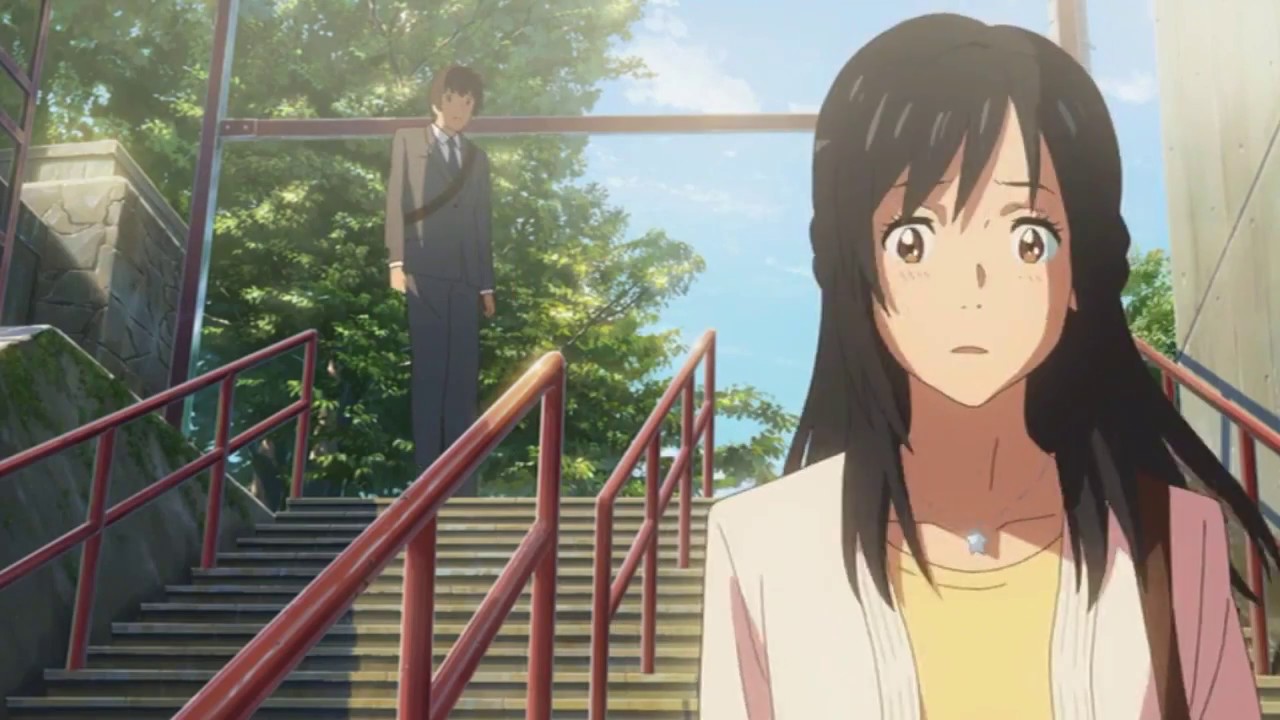
And that something beyond understanding is when Mitsuha and Taki saw each other face to face in Taki’s time.  This twilight scene gave me goose bumps and it was amazingly built, from before they see on another, up to the point that they went back to their respective bodies.  Two separate timelines meeting one another as they returned to each other’s body.

This separates Your Name from films of the same premise.  Instead of simply switching bodies due to a certain phenomena, Makoto Shinkai decided to fill in the gaps of the Film’s plot through the use of traditions and beliefs.

The film’s final sequence showed Taki and Mitsuha meeting one another in a now iconic sequence five years after the comet struck Itomori.  And the film ended with a cliff-hanger where they asked for each others’ name. 

So what happens now? 

My take is that they probably ended up together because of another detail from the film.  The red string that Mitsuha gave Taki during their first meeting is probably familiar to those who’ve heard of the red string of faith. That being a belief from Japan in which two people are connected by an invisible red string, and that somehow someway they will find and affect each other’s life. 

The reason why they forgot about their names and the events that surrounded the comet is the fact that the circle is done.  The knot is over.  Earlier I used the threads as a symbolism for Taki, Mitsuha and the comet.  After they’ve done what they were supposed to do, the knot is all tied up.

But this red string that connected them all through-out led them back to one another, after they both searched and longed for someone from a long forgotten dream.
Your Name: A Love Letter to Traditions and Belief

Your Name: A Love Letter to Traditions and Belief

Your Name is a Japanese animated fantasy film written and directed by Makoto Shinkai. The story follows a high school girl named Mitsuha from Itomori (a fictional province in Japan) and Taki, a high school boy from Tokyo who started switching bodies one month before the comet takes full appearance in the horizon.

To fully understand the twist and turns of this film, there are scenes and terms that we need to put into notice. Such terms and scenes were threaded in a way that makes Your Name not just an unconventional love story between two people. It becomes so much more, to the point that it can be seen as metaphor, a love letter by Shinkai to Japanese traditions and belief.

First things first, if you haven’t watched the film, major spoilers ahead.

First, let’s start with the setting. Itomori was formed 1200 years ago (0887) when a meteor fell from the sky.  And ever since then,  Mitsuha’s ancestors have been partaking on a tradition.  This includes knotting of threads and the ritual that involves the creation of the kuchikamisake. 

There’s a scene in the film in which mitsuha’s grandmother said that the meaning behind their tradition is unknown,  but traditions are traditions,  and it’s their way in giving thanks to their ancestors.

But, there is also a certain trait that’s being passed on from one generation of miyamizu to the other.  And that is the ability to dream of someone else’s life.  There are beliefs in Japan that dreams are not owned by the dreamers. 

Hayao Kawai, stated on his excerpt entitled as “Dreams, Myths, and Fairy tales in Japan” that we can look as dreams like a butterfly who happens to fly into a garden, that garden being our dreams. He also included in his excerpt the story of Chuang Tzu and the butterfly, where he had a dream that he became a butterfly. This dream upon waking up, lead him to wonder whether the dream is about a human who happened to dream of being a butterfly, or a butterfly who had dreamt of being a human. This raised the question:

“Can it be that my whole life is someone else’s dream?”

It was revealed by the film’s third act that Mitsuha’s grandmother and mother experienced such thing when they were at Mitsuha’s age.  This lead to the big revelation that the very reason as to why they are doing all these traditions is to prepare for the day of the destruction of Itomori by the same comet that formed it 1200 years ago.  This was revealed through a news flash in the film, stating that the comet has an orbital period of 1200 years.

This in turn gives the movie a full circle.  In line with this, Comets have fascinated the eyes of people during ancient times and in turn, this brought a lot of beliefs as to what such phenomenon brings. 

As stated on an article by Eve MacDonald entitled as “How Ancient Cultures explained comets and Meteors”, there are beliefs that the arrival of a comet is sign that something good or bad is about to happen.

And in this case, the comet brought both to the equation.  The bad thing being the end of Itomori, and the good thing on the other hand is the formation and the salvation of the people who live in Itomori.

I mentioned the term full circle, due to a specific reason.  But before that, let’s go to our next topic regarding knotting.

The beliefs that they have with threads and knotting helped in making me conclude that this film is indeed Shinkai’s love letter to Japanese traditions and beliefs.

At the first act of the film, it was revealed by Mitsuhas grandmother that tying threads is called Musubi.  And regarding Musubi, it also pertains to a local guardian god, knotting, taking something in (like drinking and eatong), and most importantly, time itself.

To fully visualize my interpretation of the film, let’s take Mitsuha as a thread,  and Taki being another thread parallel to Mitsuha’s.  And as a future math educator, it is indeed impossible for two parallel lines to intersect.  And this is also is the case with Taki and Mitsuha.  So, how were they able to connect with one another if they are switching places with one another, in different timelines?

There enters another thread that tied them together, this third thread being, the comet itself.

So, how did the comet tied two people of separate timelines together?

By the third act of the film,  Taki decided to go to the body of miyamizu and there he drank Mitsuha’s kuchikamisake, which is dubbed as Half of Mitsuha. I want to appreciate a little detail that I noticed in the film. During Taki’s quest in finding Mitsuha, you can see that he is wearing a half moon tshirt. And once he drank the kuchikamisake, he was able to go back in time and in Mitsuha’s body. It somehow gave me the impression that ever since Taki was unable to connect with Mitsuha, he was incomplete, and Mitsuha makes Taki’s life complete.

Anyway, in turn, he asked for one last chance to return to Mitsuha’s body and save the people of Itomori.  This is the part where the animation of the film further supports my interpretation.  Taki slipped after drinking the kuchikamisake, and just before he fell to the ground, the flash on his phone showed a drawing of a comet splitting into pieces drawn inside the cave.

And this drawing of the comet was masterfully and intentionally animated by shinkai and his crew before a montage of mitsuha’s life started. The comet was flowing, and suddenly it is animated into a thread, and eventually into an umbilical cord. 

This in turn explained that the ancestors of Mitsuha that witnessed the appearance of the comet 1200 years ago also saw the future. This is where the fantasy part of the film kicks in.  This in a way, gave the Miyamizus to pass this “dreaming of someone else’s life” characteristic to a female descendant one generation after another up to Mitsuha. 

This can also be seen as to what traditions are, that they are being done and passed on not for the sake of it, but to also carry on certain traits and knowledge from the ancestors.

The last part that I would like to discuss fully is my favorite scene from this film, the Tasokare/Twilight scene.  It was discussed at the first act of the film during Mitsuha’s class that there are beliefs about twilight as to which someone might encounter something beyond human or understanding during it. 

And that something beyond understanding is when Mitsuha and Taki saw each other face to face in Taki’s time.  This twilight scene gave me goose bumps and it was amazingly built, from before they see on another, up to the point that they went back to their respective bodies.  Two separate timelines meeting one another as they returned to each other’s body.

This separates Your Name from films of the same premise.  Instead of simply switching bodies due to a certain phenomena, Makoto Shinkai decided to fill in the gaps of the Film’s plot through the use of traditions and beliefs.

The film’s final sequence showed Taki and Mitsuha meeting one another in a now iconic sequence five years after the comet struck Itomori.  And the film ended with a cliff-hanger where they asked for each others’ name. 

So what happens now? 

My take is that they probably ended up together because of another detail from the film.  The red string that Mitsuha gave Taki during their first meeting is probably familiar to those who’ve heard of the red string of faith. That being a belief from Japan in which two people are connected by an invisible red string, and that somehow someway they will find and affect each other’s life. 

The reason why they forgot about their names and the events that surrounded the comet is the fact that the circle is done.  The knot is over.  Earlier I used the threads as a symbolism for Taki, Mitsuha and the comet.  After they’ve done what they were supposed to do, the knot is all tied up.

But this red string that connected them all through-out led them back to one another, after they both searched and longed for someone from a long forgotten dream.